
Dewatering Screens
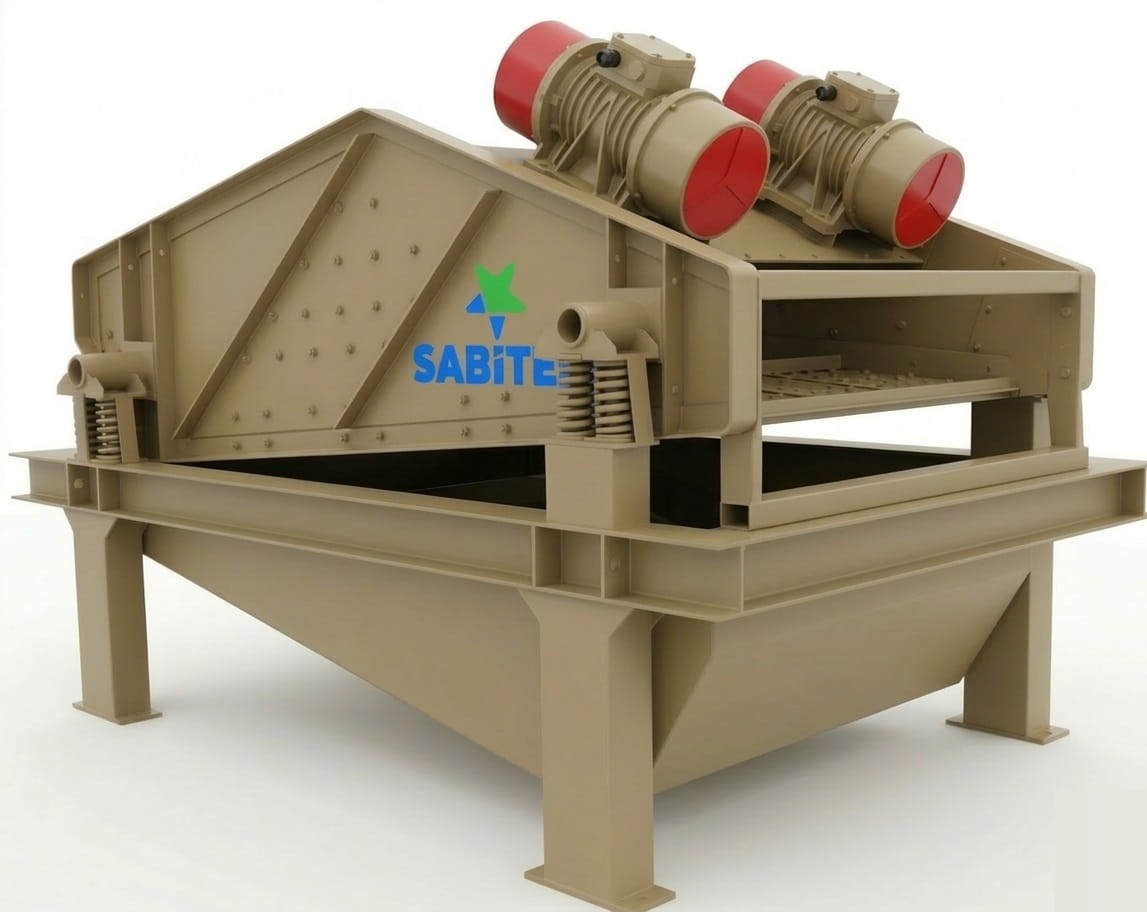
Vibrating dewatering screens reduce moisture and water in sludges and bulk materials. This increases water conservation, allows for cleaner processing of materials, lowers costs, and improves product stability.
Dewatering screens reduce the percentage of free moisture in bulk materials before further processing. Vibratory dewatering screens use vibration to remove moisture as the solid material is conveyed across the screen surface.
Removing excess water from the solid bulk material allows for faster drying and reduces the weight and volume of the final product, resulting in cost savings in transportation, storage, and subsequent processing.
Heavy-duty structure
Reduce humidity to up to 15%.
SABİTEK vibrating dewatering screens are heavy-duty electromechanical screening equipment designed to process a variety of material types, including sand, minerals, crushed aggregates, and granular materials, as well as other sludge applications.SABITEK dewatering screens are specially manufactured from robust and durable materials. They are used in a variety of industries including mining and aggregates, steel, recycling and more.
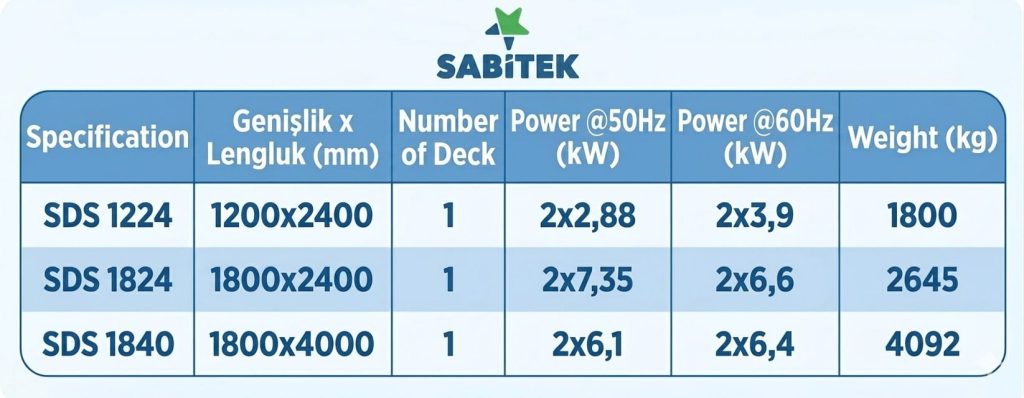
- Capacity Values: These are indicative only; they may vary depending on application factors such as feed gradation, silt/clay content, density, and water quantity.
- Weight Included: The stated weights do not include the drive motor package, support legs, maintenance platform, and inlet and outlet chutes.
Higher Storage Capacity
Removing water from the bulk material provides additional storage capacity. Reducing water content also improves the angle of repose, allowing for higher stacking heights. The lower moisture content in the bulk material shortens the decanting period required before sale.
Improving Drying and Product Quality
Dewatering screens are commonly used to prepare bulk material for the drying process. Reducing the moisture content of the material before drying decreases the energy required to achieve the desired final moisture content. It also helps produce a more consistent and higher-quality final product by providing a more homogeneous material before drying.
Reducing Environmental Impact, Recycling Water
The liquid recovered from the dewatering screen can be controlled for easy recovery and reuse. Reducing the need for water treatment and disposal lowers environmental impact and helps with legal compliance.
Improving Facility Layout
The drier material exiting the dewatering screen is easier for subsequent equipment (downstream) to process, promoting a cleaner working environment. Equipment maintenance is reduced. Less labor is required for cleaning operations.